
Sinking vs Floating VIB: DW660 & DW661 for Saltwater
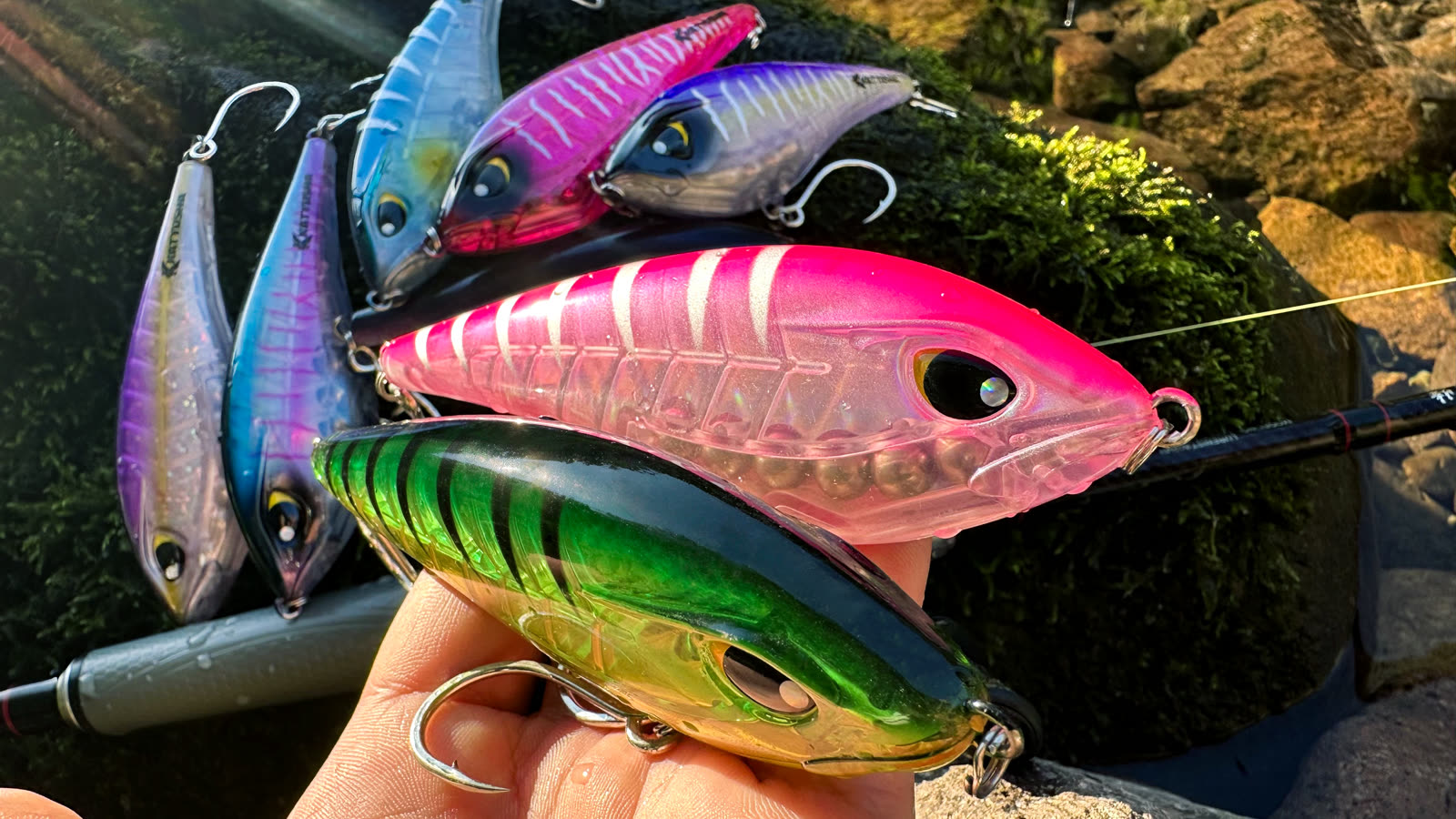
The DW660 and the DW661 are the same lipless VIB body in two densities: the DW660 sinks (125 g, 16 cm) and the DW661 floats (39 g, 13.5 cm). Pick the sinking one when fish hold deep or the current is strong; pick the floating one for shallow flats, weed edges and surface-adjacent work. Both come in eight colors (A–H) and are built for saltwater.
One body, two depths
| Version | Weight | Length | Behaviour | Best use |
|---|---|---|---|---|
| DW660 — Sinking | 125 g / 4.41 oz | 16.0 cm / 6.30 in | Sinks on a tight line; inner lead weight and rattle balls | Deep channels, strong current, vertical work |
| DW661 — Floating | 39 g / 1.38 oz | 13.5 cm / 5.31 in | Floats at rest; runs shallow | Shallow flats, weed edges, trolling |
Both versions carry the long, lipless profile that transmits a tight vibration straight through the rod tip, and both are finished with 3D eyes and the eight-colour A–H range. The DW660 is fitted with two size 4/0 treble hooks straight from the box.
Why a lipless VIB behaves differently
A lipless bait has no diving bill, so its depth is controlled by you — line angle, retrieve speed and (on the sinking version) how long you let it fall. That makes the same lure usable from the surface down to the zone you count it into. The trade-off is that a VIB wants speed: it starts working as soon as it moves and keeps vibrating on a straight, fast wind, which is exactly what you want when bass, pike or sea fish are chasing baitfish.
Fishing the DW660 (sinking)
- Count-down retrieve. Cast, let it sink while counting, then wind with a steady, fairly quick retrieve. Counting to eight versus twelve puts the bait in a different band of the water column — note what produces and repeat it.
- Lift-and-drop. Raise the rod tip, let the bait fall on a semi-slack line, repeat. The fall is when the rattle keeps working while the bait looks wounded.
- Vertical work. Over structure, from a boat or a pier, drop it to the zone and jig it with short lifts. The 125 g weight keeps contact even when the drift is quick.
For deeper water or when you need to hold bottom, pair it with a heavier option from our DW648 sinking metal jig range (30–60 g).
Fishing the DW661 (floating)
- Shallow sweep. Over flats and weed edges, wind it just fast enough to feel the vibration; the floating version stays above the snags on the pause.
- Wake it up. A slow, steady wind right under the surface pushes a wake — deadly last light bait imitator.
- Trolling. The 39 g body tracks straight at trolling speed and the float-up-on-stop behaviour makes it forgiving around shallow structure.
Watch it work
Saltwater care
Both versions are saltwater-ready, but every session in the sea ends the same way: rinse the lure and the hooks in fresh water, check hook points, and let it dry before the box closes. Always check local regulations before you fish new water.
FAQ
What is the difference between the DW660 and DW661?
Same lipless VIB body, different density. The DW660 sinks (125 g / 16 cm); the DW661 floats (39 g / 13.5 cm). Choose by depth: sinking for deep or moving water, floating for shallow and surface work.
Which VIB should I use in deep water?
The DW660. At 125 g it reaches and holds depth on the count-down, on lift-and-drop and vertical jigging, even with drift or current.
Can you troll the DW661?
Yes. It tracks straight at trolling speed and floats up when the boat stops, which keeps it clear of shallow snags.
What hooks does the DW660 use?
It ships rigged with two size 4/0 treble hooks. Inspect the points after each saltwater session and replace any that dull.
Where can I see the full colour range?
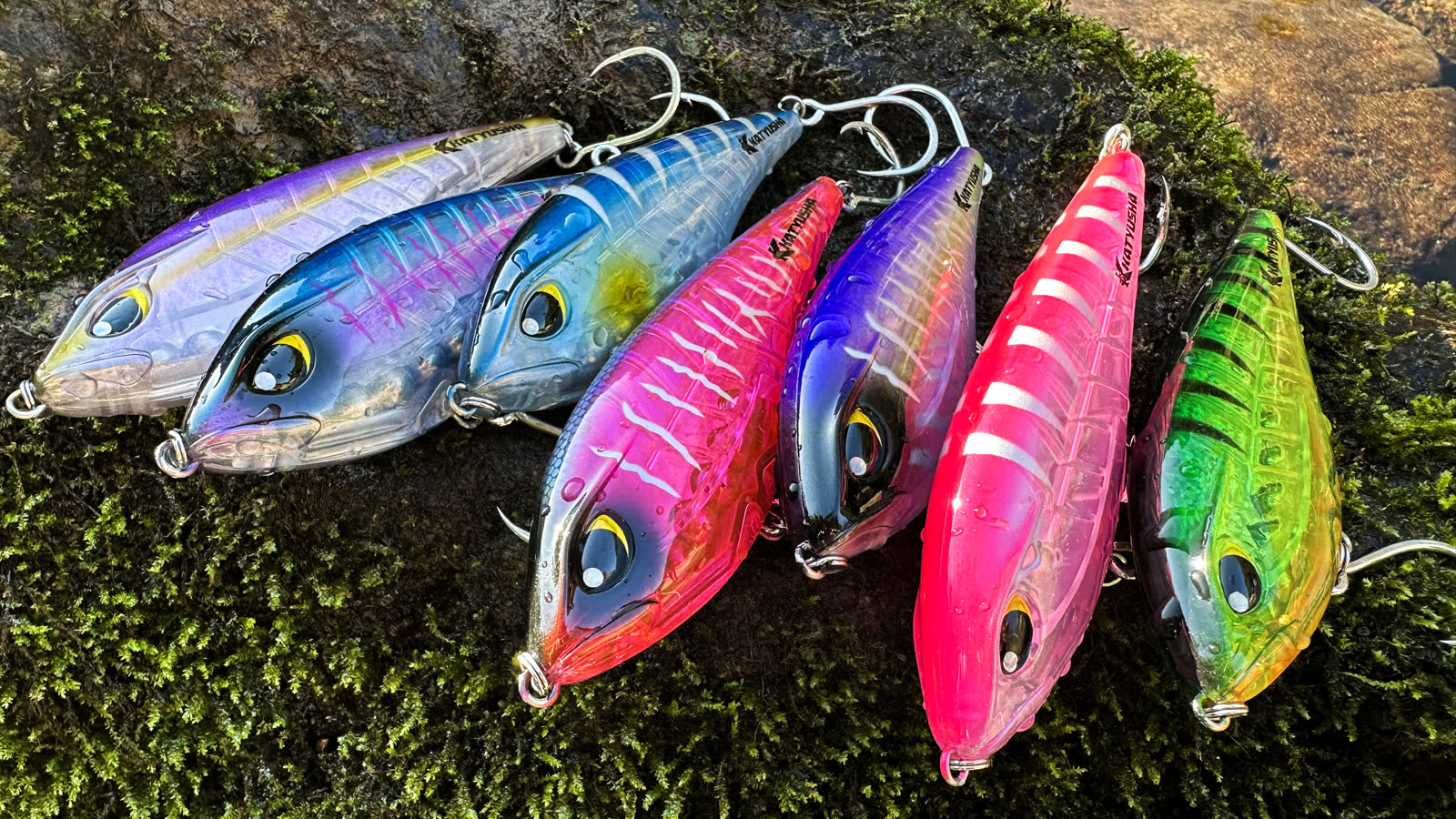
All eight colours (A–H) of both versions are listed on the DW660 & DW661 product page.
Related: how our lures are built — Inside the KATYUSHA factory.
← All articles