
Choosing Line Weight for Small-Water Fly Fishing
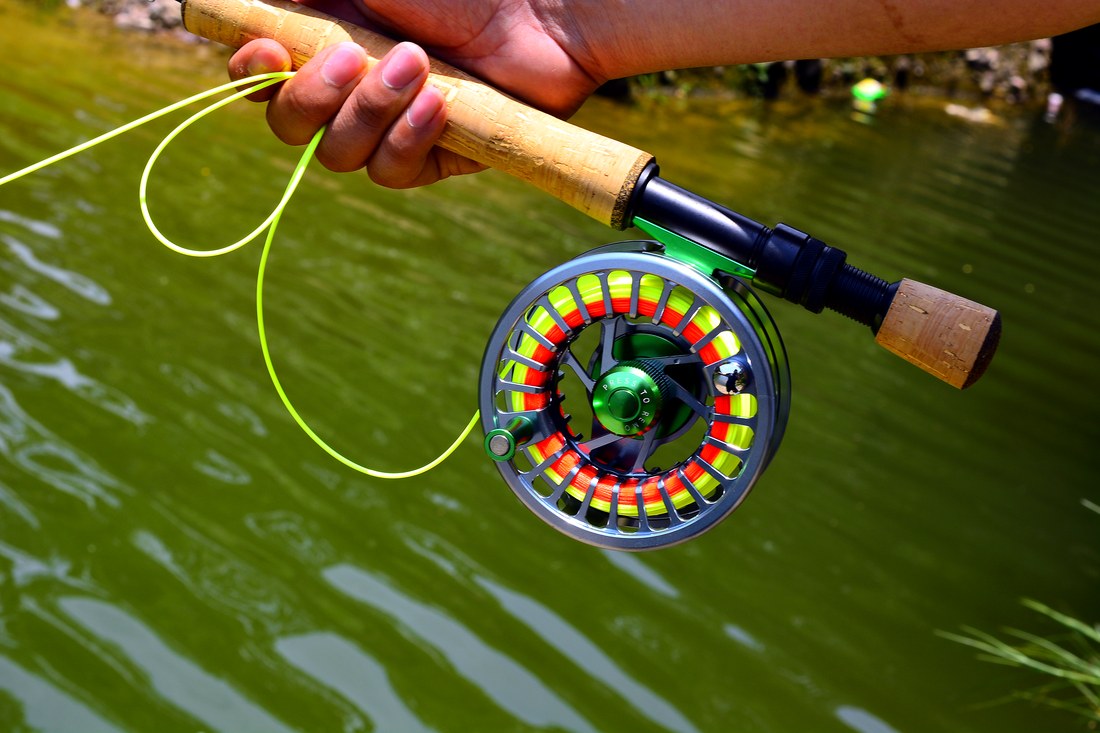
Small water punishes over-gunning. On a creek you can cast across in two strokes, a five-weight line loads faster, turns over a shorter leader and lands softer than anything heavier. The reel matters less for drag than for balance: a light large-arbor keeps the rod tip from feeling nose-heavy all afternoon.
Start with the fly, not the fish
Match the line to the fly you actually throw. A size 14 dry and a weighted streamer are two different systems. If most of your box is small dries and soft hackles, a 4WT or 5WT line is the honest answer; keep a spare spool with a heavier line for the days you drag a bead head through a pool.
Why a large arbor helps
A large-arbor spool picks up line faster and puts less coil memory into your running line. On a stream where you strip and re-cast every few seconds, that translates into fewer tangles and a line that lies straighter on the water. It also means a shorter, lighter drag stack can do the same job.
Balance beats spec sheets
Fit the reel to the rod, then the rod to the water. A 5/7 reel on a light 4WT rod will feel like a pendulum; a 4/5 reel on a 7WT rod will feel under-gunned when a fish runs. Hold the assembled outfit at the grip before you buy — the balance point should sit just ahead of the cork.
The short version
- Tight, brushy water: 4WT–5WT, weight-forward or DT line.
- Mixed water with occasional wind: 5WT–6WT, large arbor.
- Always carry a spare spool before you carry a second rod.